In an era where the impact of climate change is increasingly evident, the quest for sustainable energy solutions has never been more urgent. Renewable energy stands at the forefront of this transformative journey, offering a viable path away from the fossil fuels that have dominated for centuries. As nations globally strive to reduce carbon footprints, adopting renewable energy sources provides both environmental benefits and opportunities for economic growth.
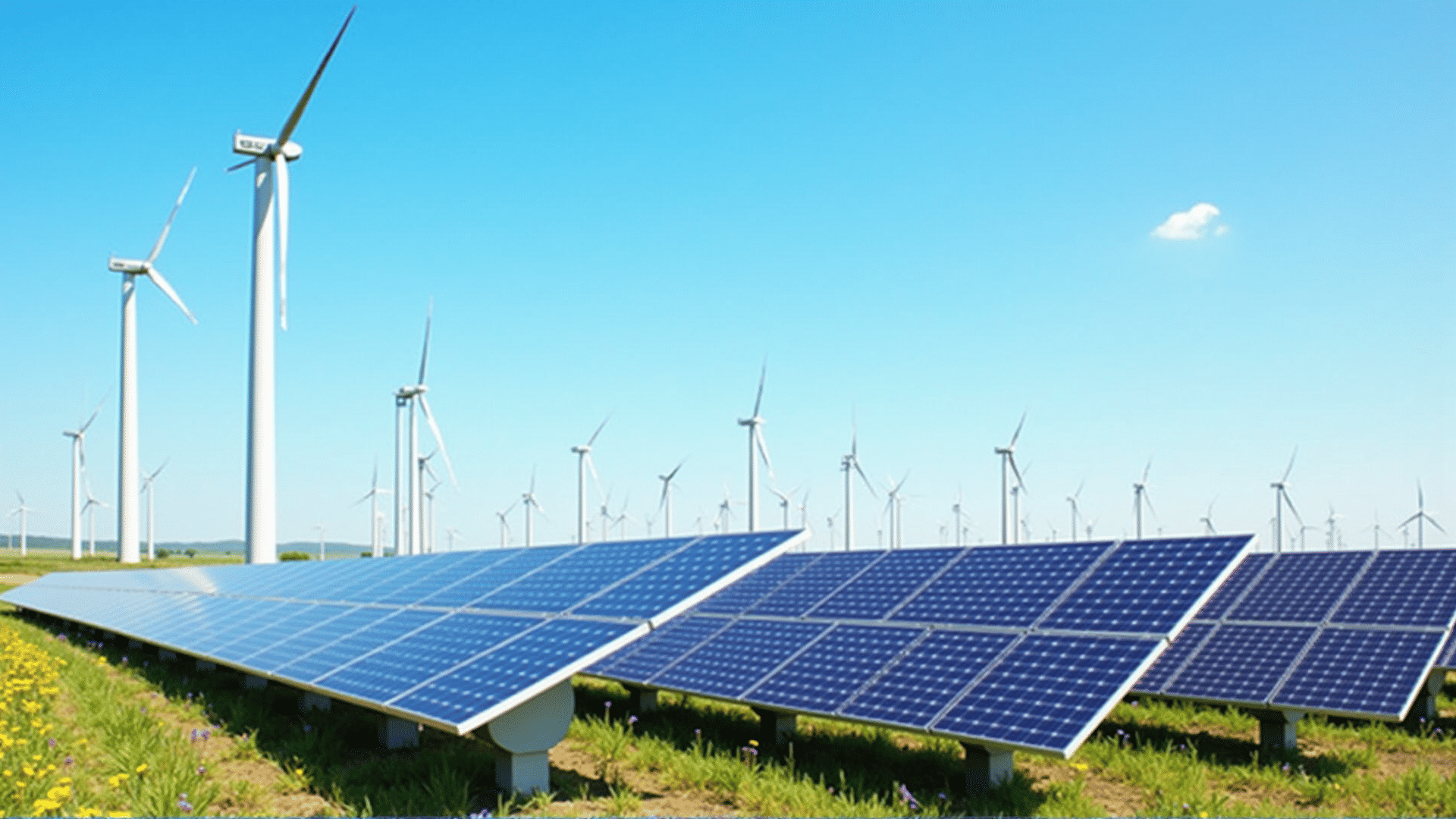
Renewable energy encompasses a diverse set of power sources, including solar, wind, hydroelectric, geothermal, and biomass. Each of these technologies harnesses natural processes to generate electricity, thereby minimizing greenhouse gas emissions. Solar power, for instance, captures sunlight using photovoltaic cells, converting it into electrical energy. With advancements in technology, solar panels are becoming increasingly efficient and affordable, making solar energy one of the fastest-growing sectors in the renewable energy market today.
Wind energy, another pivotal player, converts wind currents into electricity through turbines. The efficiency of wind power has improved dramatically, even in low-wind regions, thanks to advancements in turbine technology. Offshore wind farms are emerging as game-changers, capitalizing on stronger and more consistent winds at sea to generate substantial amounts of clean energy.
Hydroelectric power, derived from the flow of water, is one of the oldest and most established forms of renewable energy. It not only provides a steady supply of power but also offers the flexibility needed to meet fluctuating demand. Innovations like small-scale hydropower projects are enhancing its adaptability and reducing ecological impact, further cementing hydropower’s place in the renewable energy hierarchy.
Geothermal energy taps into the Earth's internal heat to generate electricity and provide direct heating solutions. It presents a reliable and constant energy source, unaffected by weather and time-of-day variables. Regions with significant geothermal activity, such as Iceland, provide outstanding examples of how this resource can be utilized effectively to meet energy needs sustainably.
Biomass energy, which involves converting organic materials into power, complements the array of renewable options. While it can help reduce waste and provide an alternative to fossil fuels, sustainable sourcing and management are crucial to ensure it remains environmentally friendly.
The integration of these renewable sources is reshaping energy infrastructures worldwide, leading to decentralization and democratization of power. Microgrids and distributed energy systems are becoming more prevalent, empowering communities to achieve energy independence with localized renewable projects. By reducing reliance on overarching grid systems, these solutions increase resilience and reliability, especially in remote and underserved areas.
Renewable energy not only presents a countermeasure to climate change but also spurs economic development. Investments in renewable technologies create jobs in manufacturing, installation, and maintenance sectors. Moreover, as the costs of renewables continue to fall, they are becoming increasingly competitive with, and often cheaper than, traditional energy sources. This economic viability is pivotal in encouraging widespread adoption.
Governments and corporations are also playing significant roles in this transition. Policies promoting renewable energy adoption, such as subsidies, tax incentives, and renewable energy standards, are critical in accelerating growth. Corporations, recognizing the importance of sustainability, are investing heavily in renewable energy to meet their power needs, driven by both regulatory requirements and consumer demand for eco-friendly practices.
As the world collectively envisions a low-carbon future, the promise of renewable energy grows more vivid. From technological innovations to policy shifts and consumer awareness, every facet of society is gearing towards sustainable energy solutions. Renewables offer the best prospect of balancing economic growth with ecological preservation—a crucial stride in fostering a cleaner, more sustainable world for generations to come.